
The Changing of the Guard in London is more than a ceremony—it’s a living piece…
What Is Big Ben in London? History, Facts & Why It’s Famous
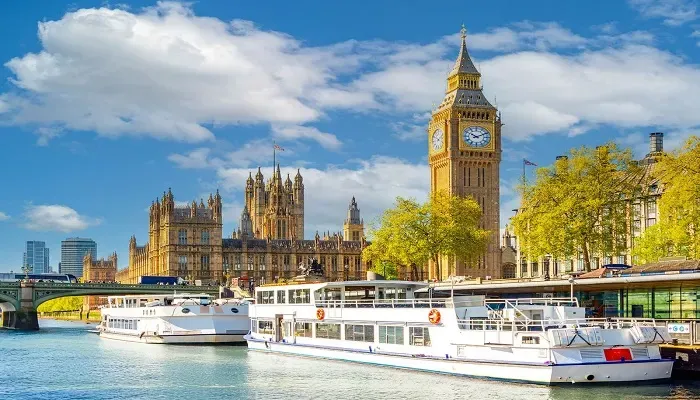
Rising above the skyline of London, Big Ben is one of the most famous landmarks in the world. Often used to represent the UK itself, it has become a global symbol of history, culture, and timeless design.
In this blog, you’ll discover what Big Ben really is, explore its fascinating history, uncover interesting facts, and understand why it continues to capture the attention of millions around the world.
What Is Big Ben?
Big Ben is often mistaken for the entire clock tower in London, but that’s not accurate. Big Ben is actually the large bell inside the tower, not the tower itself.
The tower is officially called Elizabeth Tower, and it houses the famous clock and bell. It is located at the Palace of Westminster, the home of the UK Parliament in London.
History of Big Ben
1. Origins and Construction
The story of Big Ben begins after the Great Fire of London, which led to the rebuilding of much of the city, including the old Houses of Parliament. After a later fire in 1834 destroyed the existing parliamentary buildings, a new structure was planned.
Construction of the clock tower began in the mid-19th century and was completed in 1859. The massive bell—now known as Big Ben—was installed soon after, becoming a key part of London’s identity.
2. Design and Architects
The iconic tower, now called Elizabeth Tower, was designed in the Gothic Revival style by architect Augustus Pugin.
He worked alongside Charles Barry, who was responsible for the overall design of the Palace of Westminster. Together, they created one of the most recognizable architectural landmarks in the world.
3. Naming of Big Ben
The exact origin of the name “Big Ben” is still debated. One popular theory suggests it was named after Sir Benjamin Hall, a government official involved in the project. Another theory links the name to Ben Caunt, a famous boxer of that era.
While the true origin remains uncertain, the name “Big Ben” has become globally recognized and is now commonly used to refer to the entire tower.
Why Is Big Ben Famous?
- Big Ben is a global icon of London and British culture, recognized worldwide for its design and historic significance.
- It symbolizes democracy as it stands next to the Palace of Westminster, the center of UK political life.
- Frequently featured in movies, TV shows, and international news, making it a globally recognized landmark.
- Known for its accurate timekeeping and famous chimes, especially during New Year celebrations broadcast around the world.
Interesting Facts About Big Ben
- The bell of Big Ben weighs over 13.5 tons, making it one of the largest and heaviest bells in the UK.
- The clock is known for its remarkable accuracy—it is adjusted using old pennies placed on the pendulum to keep perfect time.
- Its famous chimes, known as the Westminster Chimes, are recognized worldwide and are broadcast on major occasions.
- The tower, officially called Elizabeth Tower, stands at about 96 meters (315 feet) tall.
- Big Ben has gone silent at times during major renovations, including a recent restoration project, although it still rings for important national events.
Architecture and Design
- The tower, known as Elizabeth Tower, is built in the Gothic Revival style, featuring detailed stonework, pointed arches, and an elegant, historic appearance that defines London’s skyline.
- The clock faces are one of its most striking features—each dial is over 7 meters wide, with intricate designs and large hands that make the time visible from a distance.
- The structure is made using brick covered with limestone, along with cast iron elements, giving it both durability and its iconic look.
- Behind the scenes, the clock mechanism is a masterpiece of engineering. Designed for precision, it uses a pendulum system that keeps accurate time, making Big Ben one of the most reliable public clocks in the world.
Big Ben vs. Elizabeth Tower
Big Ben is often misunderstood as the name of the entire clock tower in London. In reality, Big Ben refers specifically to the large bell housed inside the tower. The structure itself is officially known as Elizabeth Tower, which contains both the clock mechanism and the famous bell.
Despite this distinction, the term “Big Ben” is widely used to describe the whole tower. This is largely due to its global popularity, media usage, and ease of recognition. Over time, the name has become a common shorthand for the entire landmark, even though technically it refers only to the bell.
Fun Facts & Lesser-Known Trivia
- Big Ben has become more than just a landmark—it’s a cultural icon often nicknamed simply “the voice of London” because of its famous chimes. Over time, it has come to represent British identity across the world.
- Big Ben frequently appears in films, TV shows, and pop culture, often used to instantly establish a London setting. From action movies to animated series, its image is widely recognized and associated with the UK.
- It has played a role in many historic moments, including wartime broadcasts and major national events. The chimes have been used to mark important occasions, making it a symbol of resilience and continuity throughout British history.
Frequently asked question
- Is Big Ben the clock or the tower?
Big Ben is actually the bell, not the clock or the tower. The tower itself is called Elizabeth Tower. - How old is Big Ben?
Big Ben was completed in 1859, making it over 160 years old and still functioning today. - Can tourists go inside Big Ben?
Access is limited. UK residents can arrange tours through Members of Parliament, but general tourist entry is restricted. - Why does Big Ben sometimes stop ringing?
The bell may stop during maintenance, repairs, or major renovations to protect the structure and ensure long-term accuracy. - What is the official name of Big Ben’s tower?
The tower is officially named Elizabeth Tower, renamed in 2012 in honor of Queen Elizabeth II.
Conclusion
Big Ben is not the entire tower as many believe, but the iconic bell housed within Elizabeth Tower. Understanding this distinction helps reveal the true identity behind one of the world’s most famous landmarks.
Beyond its structure, Big Ben holds deep historical and cultural significance. From its 19th-century origins to its role in national events and global broadcasts, it has become a lasting symbol of British heritage and the political heart of the UK at the Palace of Westminster.
Even today, Big Ben remains a global icon—recognized for its timeless design, precise timekeeping, and unforgettable chimes that continue to connect people around the world.

Related Posts



This Post Has 0 Comments